Skip to content

Introduction
UV curing technology plays an important role in modern digital printing by helping produce sharp images, vibrant colors, and durable printed surfaces. As printing companies and manufacturers look for more efficient production methods, UV curing technology has become a key feature of UV printing machines used in advertising, packaging, industrial marking, promotional products, and customized manufacturing.
Unlike conventional ink drying methods that rely primarily on evaporation or absorption, UV curing uses ultraviolet light to initiate a chemical reaction that transforms specially formulated liquid ink into a solid film. This process can reduce drying time, improve production efficiency, and support consistent printing results on a wide range of compatible materials.
However, printing quality depends on more than the curing lamp alone. Ink formulation, substrate properties, UV intensity, curing speed, printhead performance, and surface preparation all influence the final result.
What Is UV Curing Technology?
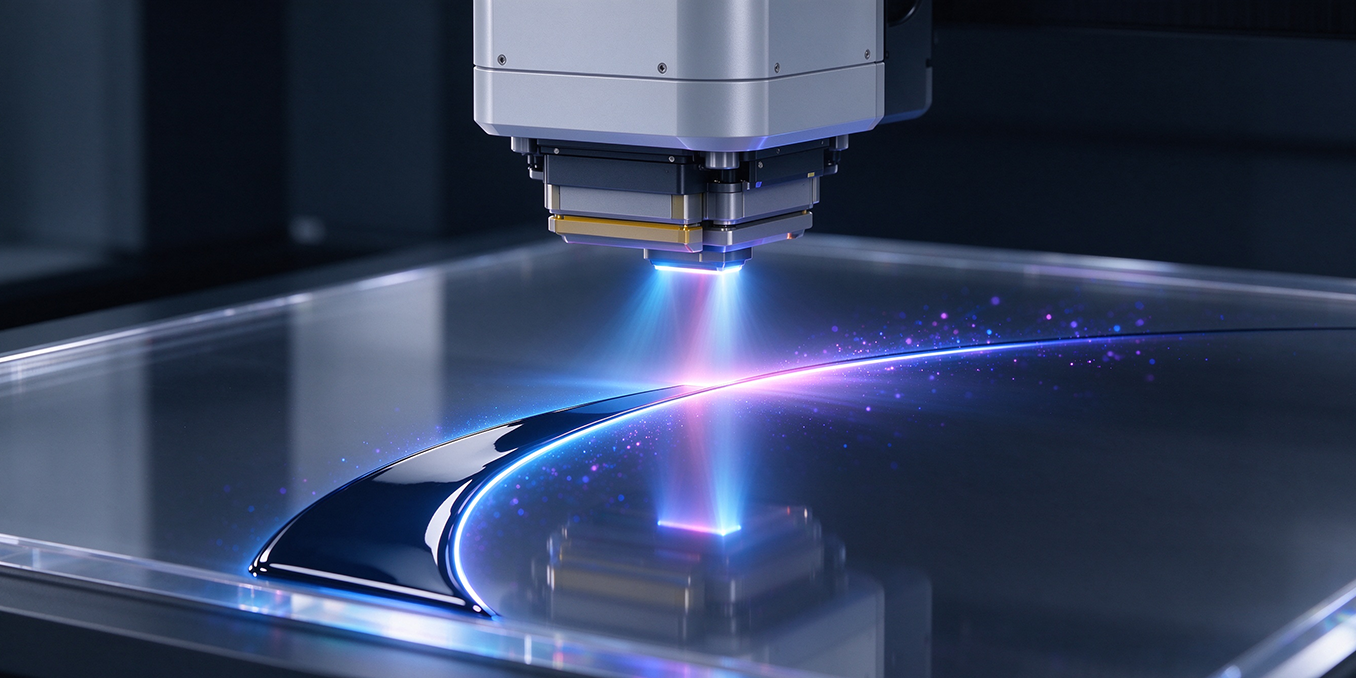
UV curing is a process that uses ultraviolet radiation to harden specially formulated inks, coatings, or adhesives. In UV printing, the ink contains photoinitiators that respond to UV light and trigger polymerization, converting the liquid ink into a solid layer.
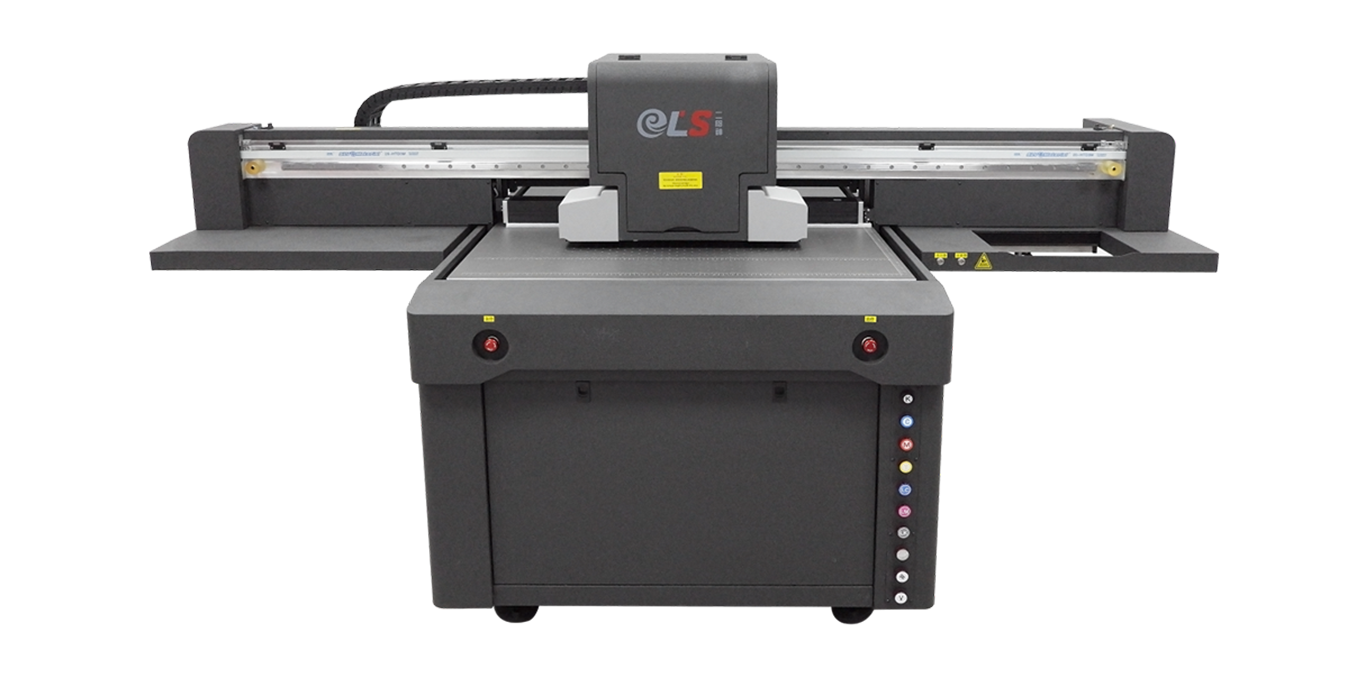
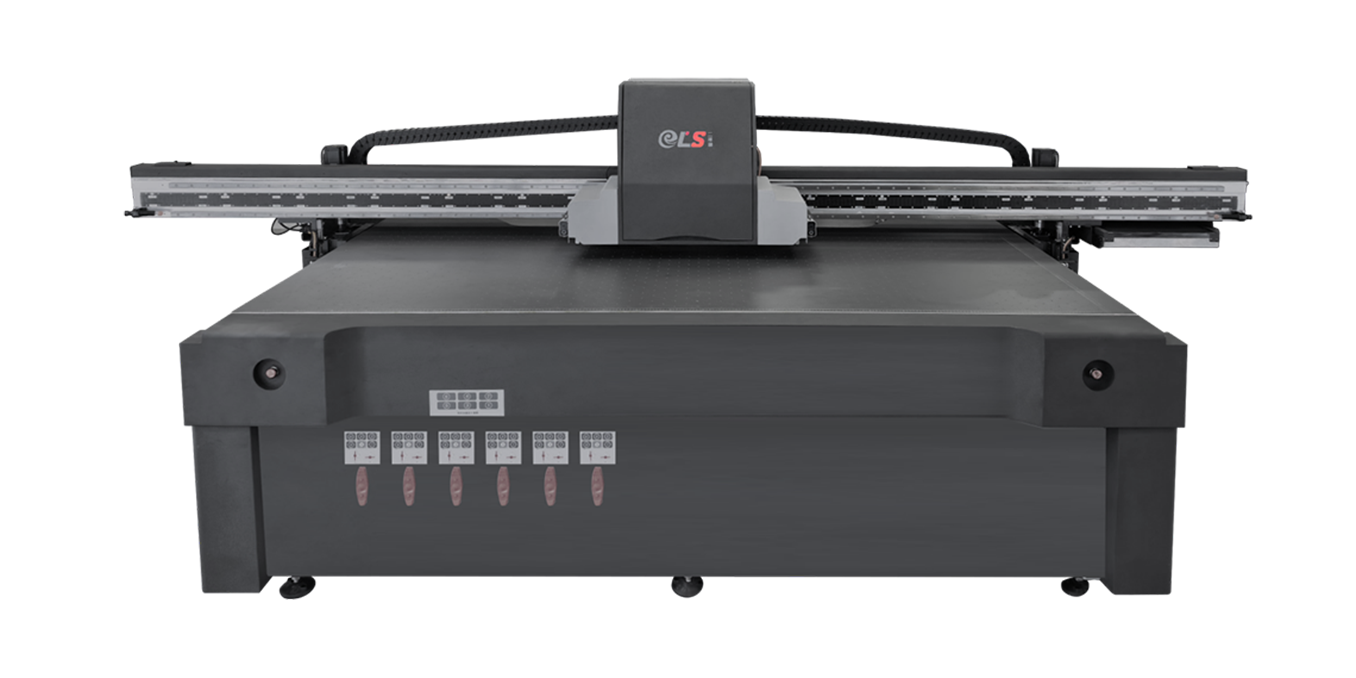
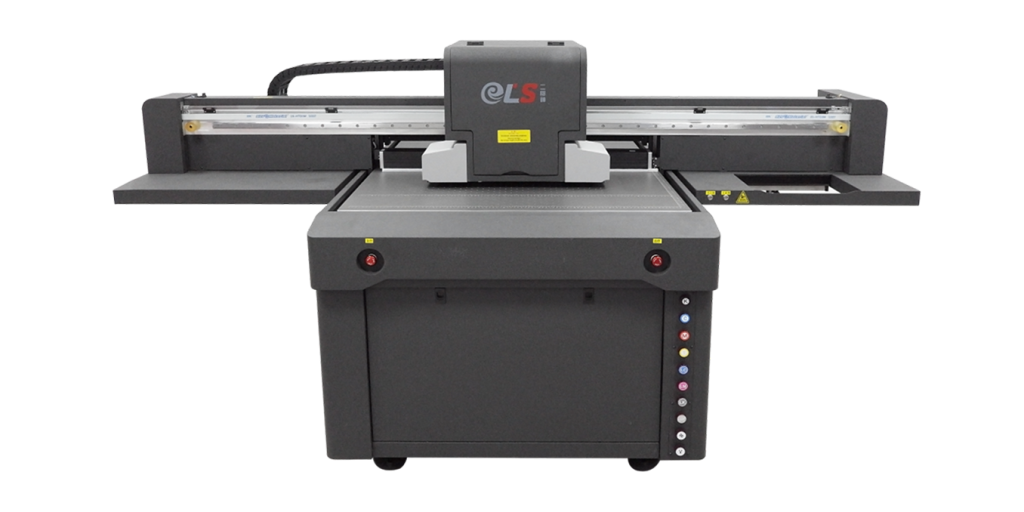
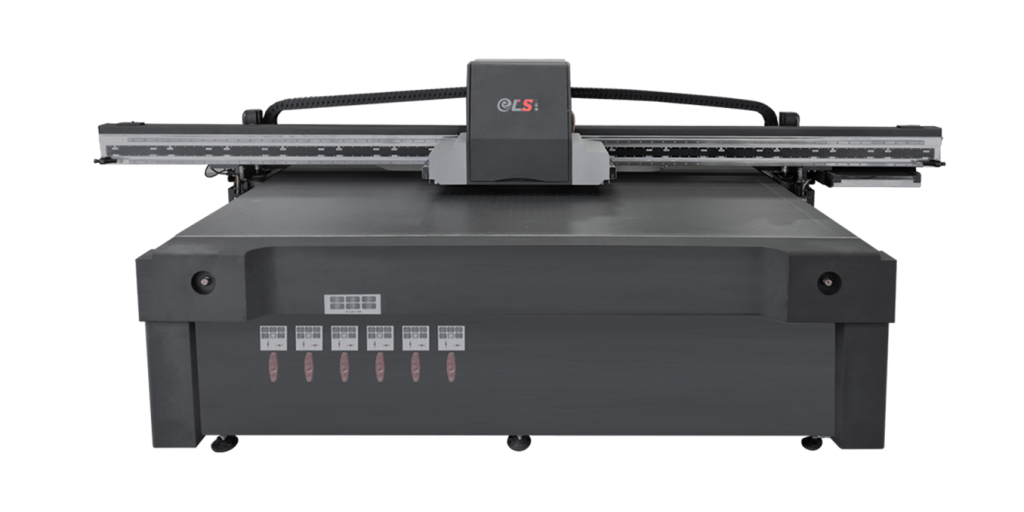
A UV printing machine typically integrates an inkjet printing system with a UV curing unit. The printhead deposits ink onto the substrate, and the curing system exposes the ink to the appropriate UV radiation. Depending on the machine configuration, curing may occur immediately after each pass or at another stage in the printing process.
Many modern UV printers use UV LED curing systems. These systems can provide controlled UV output, relatively low heat transfer to the substrate, and long operating life when properly designed and maintained.
UV curing is suitable for many applications involving acrylic, glass, metal, wood, plastics, and other compatible materials. The exact performance depends on the ink formulation, substrate surface, and curing conditions.
How Does UV Curing Work in a UV Printing Machine?
Understanding the curing process helps explain why UV printing can achieve high-quality results.
UV Ink Is Deposited onto the Substrate
The printing process begins when the printhead deposits small droplets of UV-curable ink according to the digital design. The ink forms the required image, including colors, text, graphics, and other visual elements.
At this stage, the ink must spread and interact with the substrate appropriately. Surface energy, cleanliness, ink viscosity, and droplet placement can affect the appearance of the printed image.
Ultraviolet Light Activates the Photoinitiators
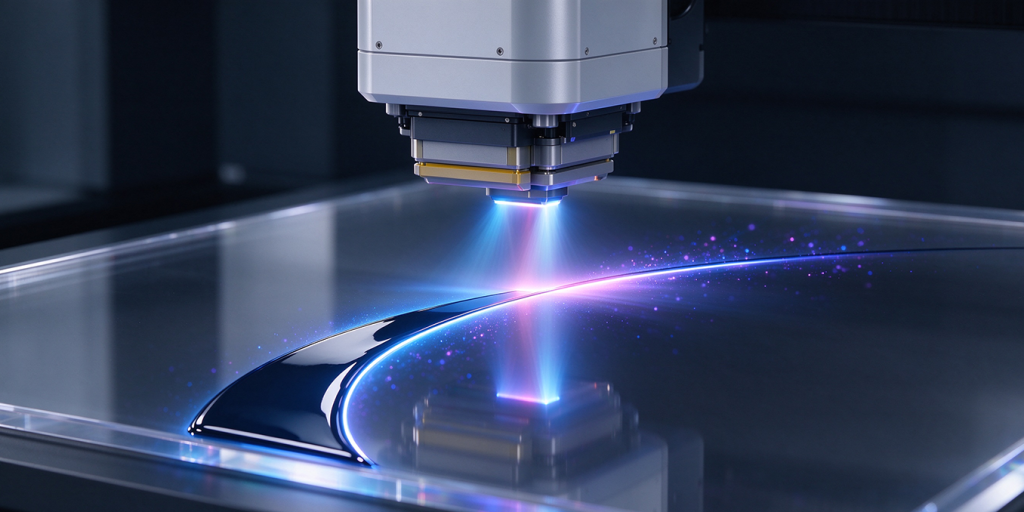
After the ink is deposited, ultraviolet light activates the photoinitiators within the ink. These substances generate reactive species that initiate polymerization, causing the ink’s components to form a solid polymer network.
The effectiveness of this reaction depends on the ink chemistry and whether the curing system provides a suitable wavelength and sufficient energy.
The Ink Forms a Solid Film
As polymerization progresses, the liquid ink becomes a solid layer attached to the substrate. Proper curing helps stabilize the printed image and reduces the risk of smearing during subsequent handling.
The resulting film’s hardness, flexibility, adhesion, and resistance to wear depend on the ink formulation, substrate, and curing conditions. A surface that feels dry does not necessarily mean that every performance requirement has been met.
The Printed Product Moves to Inspection or Finishing
Once the required curing has been achieved, the printed material can proceed to inspection, handling, assembly, or other finishing operations, depending on the application.
Because UV curing can occur rapidly, it may reduce waiting time between printing and subsequent production steps. This advantage is particularly useful for businesses handling customized orders or short production runs.
How UV Curing Improves Print Sharpness and Detail
Print sharpness is essential for applications involving small text, detailed graphics, logos, barcodes, and fine patterns. UV curing can help preserve the intended image by solidifying ink soon after deposition.
In printing systems where ink remains liquid for longer periods, excessive spreading or interaction between neighboring ink droplets may reduce edge definition. Rapid UV curing can limit the time available for unwanted ink movement, helping maintain cleaner outlines and more precise details.
This benefit is particularly valuable when printing small lettering on product labels, intricate graphics on promotional items, or detailed designs on acrylic and metal panels.
Nevertheless, UV curing alone does not determine image resolution. Printhead capability, droplet size, printing speed, substrate characteristics, and software settings also influence sharpness. Properly balanced printing and curing parameters are necessary to achieve the best results.
How UV Curing Supports Vibrant and Consistent Colors
Color performance is another important factor in commercial printing. UV curing helps stabilize deposited ink, supporting the reproduction of solid color areas, gradients, and detailed multicolor images.
Because UV-curable ink hardens through a light-activated chemical reaction, the printing process does not depend on the same evaporation or absorption mechanisms used by many conventional inks. This can make UV printing suitable for substrates that do not readily absorb liquid ink.
When the ink is properly formulated and cured, businesses can achieve consistent color appearance across a range of compatible materials. This is useful for product branding, signage, decorative panels, and customized merchandise.
However, curing technology does not automatically guarantee accurate color reproduction. Color consistency also depends on ink quality, color profiles, substrate color, printhead calibration, and environmental conditions.
For applications requiring precise brand colors, businesses should test actual materials and establish repeatable printing parameters before full-scale production.
How UV Curing Improves Ink Adhesion and Durability
Ink adhesion is critical when printed products are exposed to handling, friction, moisture, or other environmental conditions. UV curing helps convert liquid ink into a solid film, but successful adhesion also requires compatibility between the ink and substrate.
When the ink chemistry, surface preparation, and curing conditions are appropriate, the printed layer can achieve reliable bonding and resist ordinary handling. This is especially important for industrial nameplates, product identification panels, packaging components, and promotional products.
UV printing may also support resistance to abrasion, scratching, and certain chemicals, depending on the selected ink system and the intended application. These properties should be verified through appropriate testing rather than assumed from the use of UV curing alone.
For challenging substrates such as glass, certain plastics, and coated metals, cleaning or surface treatment may be necessary. Some applications also require a compatible primer to improve adhesion.
Manufacturers should evaluate curing performance and adhesion together because a properly cured ink film may still perform poorly if the substrate and ink are incompatible.
How UV Curing Reduces Drying Time and Improves Productivity
Traditional printing methods may require additional time for ink to dry through evaporation, absorption, or heat-assisted processes. Depending on the technology, this waiting period can delay handling, stacking, packaging, or subsequent production operations.
UV curing can significantly shorten this interval because the ink hardens through a rapid photochemical reaction. In many applications, the printed material can be handled soon after the appropriate curing process is completed.
For commercial printing companies, this can help shorten production cycles and improve scheduling flexibility. Businesses producing customized items may also benefit from faster transitions between different print jobs.
The actual productivity improvement depends on the complete workflow. Loading time, material positioning, print resolution, curing settings, inspection, and finishing can all affect overall throughput.
When evaluating a UV printing machine, buyers should therefore compare realistic production output rather than relying only on curing speed or advertised maximum printing speed.
How UV LED Curing Helps Protect Heat-Sensitive Materials
Some printing materials may be affected by excessive heat during production. Thin plastic sheets, certain films, and other temperature-sensitive substrates may deform, shrink, or experience surface changes when exposed to unsuitable processing conditions.
UV LED curing systems generally transfer less unwanted heat to the substrate than some conventional UV lamp systems because LEDs can operate with lower infrared output and can be configured for efficient, targeted curing.
This makes UV LED technology attractive for applications where thermal management is important. It can expand the range of materials that a printing system may process under suitable conditions.
However, UV LED curing is not entirely heat-free. The substrate can still receive heat from the curing unit, surrounding equipment, and other parts of the printing process. Material compatibility should be confirmed through testing, especially for thin or sensitive substrates.
How UV Curing Supports Printing on Different Materials
One major advantage of UV printing is its ability to print on many non-absorbent or partially absorbent surfaces. Because UV ink cures through light exposure rather than relying primarily on absorption into the substrate, it can be used on a wide range of compatible materials.
Common applications include:
Acrylic and plastics: Used for signage, display panels, promotional products, and customized components.
Glass: Used for decorative panels, interior products, and selected glassware applications.
Metal: Used for nameplates, control panels, product identification, and decorative metal surfaces.
Wood and MDF: Used for furniture panels, decorative boards, and personalized products.
Selected films and packaging materials: Used for graphics, labels, prototypes, and other compatible applications.
The ability to cure ink rapidly on different surfaces provides greater flexibility for businesses that handle varied products.
However, UV curing does not eliminate the need to verify substrate compatibility. Surface energy, ink chemistry, curing wavelength, surface preparation, and the final product’s performance requirements remain important.
The Role of UV Intensity and Curing Speed in Print Quality
UV intensity and exposure time are two important parameters in the curing process. The curing system must deliver an appropriate amount of UV energy to the ink for the chemical reaction to proceed as intended.
If the delivered energy is insufficient, the ink may not achieve the required cure. Potential consequences include poor surface performance, reduced adhesion, or inadequate resistance to handling. These effects depend on the specific ink and application.
Conversely, increasing UV intensity without considering the ink formulation, substrate, and equipment design does not necessarily improve quality. Excessive exposure or unsuitable operating conditions may introduce unwanted heat or other performance issues.
Printing speed also affects the exposure time available to the ink. Higher speeds can reduce exposure unless the curing system is designed and configured to compensate.
For this reason, manufacturers should establish suitable curing parameters for each ink and substrate combination. Regular maintenance and verification of curing-system performance can help maintain consistent output.
UV Curing Technology and Its Impact on Printing Costs
UV curing can influence operating costs by reducing drying delays and supporting efficient production workflows. In suitable applications, shorter processing times may reduce work-in-process inventory and improve the utilization of production space.
UV LED systems may also provide energy and maintenance advantages compared with some conventional UV lamp systems. Their actual cost benefits depend on equipment design, operating hours, electrical efficiency, replacement requirements, and production conditions.
Businesses should evaluate the complete cost structure, including ink consumption, curing-system maintenance, printhead replacement, electricity, substrate waste, and labor.
It is also important to consider product quality. Reliable curing and consistent adhesion can reduce rejected products and rework when the process is correctly configured.
When comparing UV printing machines, buyers should calculate the cost per finished product or printed area using realistic operating data rather than relying solely on the equipment’s rated energy consumption or maximum speed.
Common UV Curing Problems and How to Prevent Them
Even advanced UV printing machines can produce defects when curing parameters, ink compatibility, or maintenance practices are inadequate.
Incomplete Ink Curing
Incomplete curing may result from insufficient UV energy, unsuitable wavelength, excessive printing speed, or an ink system that is not compatible with the curing unit.
To prevent this problem, follow the ink and equipment manufacturer’s specifications, verify curing performance, and test finished prints under the intended operating conditions.
Poor Ink Adhesion
Poor adhesion may occur even when the ink appears cured. Possible causes include surface contamination, low surface energy, unsuitable ink chemistry, or inadequate pretreatment.
Clean the substrate, confirm compatibility, and evaluate whether a suitable primer or surface treatment is required.
Inconsistent Print Appearance
Variations in curing performance can contribute to differences in surface finish or durability. Other causes may include inconsistent ink delivery, printhead alignment, and changes in substrate properties.
Regular machine calibration, consistent material preparation, and documented printing settings help improve repeatability.
Excessive Heat on the Substrate
Heat-sensitive materials may deform if the curing system or printing workflow introduces too much heat.
Consider an appropriately configured UV LED curing system, verify substrate temperature where necessary, and conduct material testing before starting production.
A preventive maintenance schedule and routine quality checks can help identify these issues before they affect large production batches.
How to Choose a UV Printing Machine with the Right Curing System
When purchasing a UV printing machine, businesses should evaluate the curing system alongside the printhead, ink configuration, and mechanical design.
First, identify the materials and products you plan to print. Different substrates may require different ink formulations and curing conditions. Confirm that the machine supports the necessary UV wavelength, curing output, and operating parameters.
Second, consider your production volume and required print quality. A machine designed for high-speed production may require a curing system capable of maintaining appropriate performance at the intended operating speed.
Third, evaluate thermal requirements. If you print thin films or heat-sensitive plastics, ask the supplier about UV LED options, substrate temperature, and practical material testing.
Finally, request sample prints made with your actual substrates and intended ink system. Evaluate image quality, curing performance, adhesion, and durability against the requirements of your application.
A reliable manufacturer should be able to explain the curing system’s specifications, recommend appropriate operating parameters, and provide technical support for installation and maintenance.
Conclusion
UV curing technology improves printing quality by rapidly transforming UV-curable ink into a solid film. When properly matched to the ink, substrate, and printing process, it can help preserve fine details, support consistent color reproduction, improve handling performance, and reduce drying time.
UV LED curing systems can also offer advantages in thermal management and maintenance for suitable applications. However, the final result depends on more than the curing unit alone. Ink formulation, printhead performance, substrate preparation, UV energy, and production settings all play essential roles.
For printing companies, manufacturers, and commercial buyers, understanding these factors makes it easier to evaluate UV printing machines and select equipment that meets specific production requirements.
By testing real materials, verifying curing performance, and maintaining consistent operating conditions, businesses can improve print reliability, reduce avoidable defects, and achieve better long-term production results.
FAQ
1.What is UV curing technology in printing?
UV curing technology uses ultraviolet light to initiate a chemical reaction that transforms specially formulated UV ink from a liquid into a solid film. It enables rapid ink curing and supports high-quality printing on a wide range of compatible materials.
2.How does UV curing improve printing quality?
UV curing helps preserve fine details, reduce unwanted ink spreading, and produce clear images with consistent colors. When the ink and substrate are compatible, proper curing can also improve the printed surface’s durability and handling performance.
3.Does UV curing make printed products more durable?
Yes, properly cured UV ink can provide good resistance to abrasion, scratching, and certain chemicals. However, actual durability depends on the ink formulation, substrate, surface preparation, and curing conditions.
4.How does UV LED curing differ from traditional UV curing?
UV LED curing uses light-emitting diodes to deliver specific ultraviolet wavelengths. It generally offers lower unwanted heat output, efficient energy use, and long service life compared with some conventional UV lamp systems. Actual performance depends on equipment design and operating conditions.
5.Can UV curing print on different materials?
Yes. UV printing machines can print on compatible materials such as acrylic, glass, metal, wood, plastics, and selected films. Some substrates require surface treatment or primer to achieve reliable ink adhesion.