Skip to content
Introduction
When factories expand production capacity or update processing technology, the selection of processing equipment becomes a practical problem that enterprises must deal with. Many production enterprises find it difficult to choose between vibration knife cutting machines and CNC engraving machines when dealing with flexible and semi-rigid material processing business. Both types of equipment belong to CNC cutting equipment, and the processing actions of the equipment are controlled by digital programs. However, there are significant differences in the internal working principles between the two, which will be directly reflected in the processing of finished products, consumption of consumables, and various aspects of actual use on the factory site. Many procurement staff only compare the parameters marked on the equipment manual for screening work, ignoring the characteristics of the processing materials, order situation, and actual production capacity needs of the enterprise. After the equipment procurement is completed, the enterprise will encounter a series of practical problems such as the failure to meet the expected finished product qualification rate, prominent waste of raw materials, and equipment operation and maintenance expenses exceeding the plan. There is no cutting equipment in the market that can adapt to all processing scenarios, only equipment solutions that can match the production conditions of the enterprise. This article will sort out the core differences between these two types of CNC equipment, provide corresponding selection references based on the production scenarios of different industries, and organize the relevant points that need to be evaluated in the procurement stage of vibration knife cutting machines to help production enterprises avoid various risks brought by selection, Select processing equipment that is suitable for the actual production conditions of the factory.

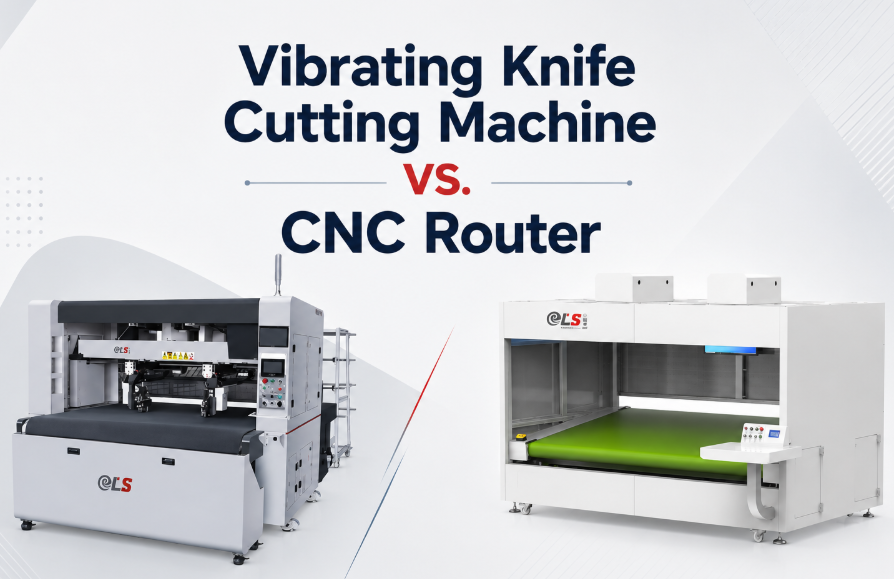
Vibrating Knife Cutting Machine vs. CNC Router: 7 Key Differences
Cutting Method and Technology
The CNC engraving machine relies on high-speed rotating milling cutters to complete material removal operations. The spindle motor of the equipment drives the milling cutter to continuously rotate. The machine processes the sheet metal through milling, slotting, and engraving. This equipment belongs to the contact milling processing type; The upper limit of machining that the equipment can achieve is largely constrained by spindle speed, milling cutter specifications, and feed parameters. The vibration knife cutting machine does not adopt the rotary cutting processing mode. The equipment relies on the high-frequency up and down reciprocating vibration of the cutting head to complete the cutting operation. The blade will perform short distance high-frequency oscillation, and the material can be cut by applying downward force to the blade; The entire equipment relies on CNC programs to control the movement trajectory of the cutting head. The equipment does not require a high-speed rotating spindle and mainly completes the cutting and separation of materials without milling or planing them; The two devices have different technical principles, which results in clear boundaries between the processing tasks that can be handled by the two types of devices.
Material Compatibility
CNC engraving machines are more suitable for processing various types of hard boards, such as acrylic, density board, solid wood, PVC hard board, aluminum-plastic panel and other materials with high hardness, which are all routine processing objects of this equipment; When processing soft materials, high-speed rotating milling cutters are prone to hooking and entangling the workpiece, resulting in a significant decrease in the processing stability of the equipment. The applicable objects of the vibration knife cutting machine are mainly various flexible, foam, and composite sandwich materials. Leather, various textile fabrics, EVA foam, sponge, soft silicone, and automotive interior composite materials can all be cut using this equipment. The equipment can also process some semi-rigid boards, but high hardness dense boards are not within the advantageous processing range of this equipment; When selecting equipment, the different range of material adaptation needs to be the primary criterion for enterprises to judge.
Flexible vs. Rigid Materials
Rigid materials themselves have a compact texture, and their shape is not easily changed. During the processing stage, there will be no pulling or deformation, making them suitable for CNC engraving machines to carry out milling operations; Rotary milling cutters can complete operations such as deep milling grooves and three-dimensional carving, and can create complex three-dimensional shapes, which is also the main work requirement in the processing of rigid materials. Flexible materials have a soft texture and are easily pulled and deformed by external forces. These materials cannot withstand the tearing force caused by the high-speed rotation of milling cutters; The vibration knife equipment relies on high-frequency vibration to directly cut materials, and there will be no pulling or pulling of the coil material in the processing process. Even when dealing with multi-layer stacked flexible blanks, the equipment can still ensure the integrity of the processing contour; Hard equipment deals with soft materials, and finished products may have problems such as burrs and contour deviation. Vibration knife equipment is used to process high hardness thick plates, and the blades may wear out too quickly, making it difficult to advance the cutting operation.
Cutting Edge and Surface Quality
After the CNC engraving machine completes the milling operation, the cross-sectional position of the workpiece will retain the patterns left by the movement of the milling cutter. On the surface of the hard plate, the staff can improve the pattern situation by increasing the spindle speed, replacing the cutting tool, and other means. However, the patterns formed by milling still objectively exist, and some materials may also experience edge melting and chipping. After processing, the workpiece still needs to undergo secondary polishing and trimming treatment. The vibration knife cutting machine relies on thin blades to complete cutting, and the overall cutting of the workpiece is relatively neat, without retaining the cutting marks caused by the rotating milling cutter. However, in the processing of some composite foam materials, high-frequency vibration will leave slight indentations on the surface of the material; The physical properties of the material itself can affect the final cutting effect, and the quality of the processed product cannot be determined solely by the equipment. Enterprises need to evaluate the surface processing effect of the two types of equipment based on the acceptance standards of the product.
Cutting Thickness and Material Deformation
CNC engraving machines can process hard plates with excessive thickness, and milling cutters complete the processing by cutting down layer by layer. The equipment has strong ability to process thick plates, but when thick flexible materials come into contact with milling cutters, the materials will be compressed and deformed, and the machining accuracy of the workpiece will be compromised. The blade stroke of the vibration knife cutting machine will limit the maximum processing thickness of the equipment. When the equipment processes thick foam and multi-layer stacked materials, once the material thickness exceeds the blade stroke, the cutting work will be unable to cut through; In the process of processing flexible materials with vibration knife equipment, the vacuum worktable can firmly fix the billet, reducing the problem of material displacement and deformation during the processing stage. Without the fixing effect of negative pressure adsorption, the soft material will still undergo positional displacement, resulting in workpiece scrap; The upper limit of material thickness and the risk of material deformation will directly affect the product yield rate.
Speed, Nesting and Material Utilization
When CNC engraving machines process hard board milling and carving operations, the equipment needs to control the depth of the cutting edge and carry out layered milling operations. Workpieces with complex pattern structures will consume longer processing time, and board layout work mostly relies on the experience accumulated by operators. If the layout scheme is not set reasonably, there will be a lot of material loss. The cutting action process of the vibrating knife cutting machine is simple. When the equipment processes flexible materials, the efficiency of the cutting process is high. The automatic layout algorithm matched with the equipment can automatically arrange the contour of the parts, reduce the gap between the parts, and minimize the generation of corner waste; Faced with a large number of cutting orders, the cost saving effect brought by the improvement of material utilization will continue to be reflected. However, the speed advantage of this equipment is only reflected in the processing of adapted materials. If the processed materials exceed the equipment’s capacity, the speed advantage will completely disappear.
Operating Cost and Maintenance
The main wear and tear parts of CNC engraving machines are various types of milling cutters. During the process of processing hard plates, milling cutters wear out quickly, and workers need to frequently replace the cutting tools; The spindle is a core consumable component of equipment, and enterprises need to carry out regular maintenance and upkeep of the spindle. Equipment processing generates a large amount of workshop dust, and the dust removal system also requires continuous operation and maintenance work. During the long-term operation of the equipment, tool and spindle maintenance will form a fixed expense. The main consumable parts of a vibrating blade cutting machine are blades, which have lower procurement costs and are easy to replace. The equipment does not have a high-speed rotating spindle, and the overall mechanical structure is relatively simple. The daily maintenance of the equipment requires less work to be completed; Staff need to regularly clean the debris on the surface of the vacuum workbench to prevent blockage of the workbench micropores. Although the purchase price of a single blade is not high, the frequency of blade replacement will increase when the equipment is operating at high capacity. The accumulated cost of blade consumption also needs to be taken seriously by the enterprise.

Which Cutting Machine Is Better for Your Production?
Footwear Manufacturing
The footwear industry will carry out a large amount of cutting work for shoe uppers, linings, and foam midsoles. Most shoe materials belong to flexible composite materials, and the industry has corresponding requirements for the accuracy of the cutting contour and the cleanliness of the incision; The vibration knife cutting machine can quickly complete the cutting and processing of shoe materials, fabrics, and foam pads. The equipment can adapt to multiple styles and small batch orders. CNC engraving machines are not suitable for cutting soft shoe fabrics. This equipment can only be used to process hard shoe molds. The two types of equipment have their own work divisions within the shoe factory.
Leather Goods and Bags
In the production process of leather bags and leather accessories, enterprises need to carry out contour cutting on genuine leather and synthetic leather. Leather materials are easily stretched by external forces, and rotating milling cutters will pull the leather, causing deformation of the workpiece contour; The vibration knife cutting machine will not tear the material, and the equipment is equipped with a vacuum suction device to fix the leather blank, which can ensure the stability of the cutting size. The CNC engraving machine basically does not directly cut leather, and this equipment can only process hard mold plates used in leather production.
Automotive Interior
There are various types of automotive interior materials, such as carpets, ceilings, soundproof foam, and seat fabrics, which are mostly flexible composite materials. Industry orders generally have the characteristics of multiple batches and specifications; The vibration knife cutting machine can complete the contour cutting of interior parts, and the equipment is also suitable for sampling operations and small to medium batch production. CNC engraving machines are more used to process hard plastic parts of interior parts, and this equipment cannot handle the cutting process of large areas of soft interior materials.
Furniture and Upholstery
The production of soft furniture requires cutting of fabric, sponge, and composite soft packaging materials. After the sponge and fabric are cut by a vibrating knife equipment, the cut is relatively clean and the fabric will not have brushed or fuzzy conditions; Traditional CNC engraving machines mainly process hard boards such as solid wood and density boards, and complete the engraving and milling of cabinets and solid wood components. Soft material cutting is not within the scope of CNC engraving machines. Some factories that produce both soft and hard furniture will use two types of equipment to process different production processes.
Signage and Advertising
The advertising signage industry uses a wide range of materials, including acrylic, wood, and PVC hard boards, which are the main processing objects of CNC engraving machines. This equipment can complete engraving, slotting, and cutting work in one piece; The advertising industry also uses KT board, foam, and soft lightbox materials, which are more suitable for vibration knife cutting machines to process. Many advertising processing plants will configure two types of equipment at the same time, processing hard boards and soft foam materials respectively, in order to undertake a variety of orders.
How to Choose the Right Vibrating Knife Cutting Machine for Your Factory
Material and Thickness
When a company carries out selection work, the first step is to organize the internal processing material list of the factory, confirm whether the processing material belongs to leather, fabric or foam composite materials, record the maximum thickness of the material for routine processing, and the effective cutting thickness of the equipment must be greater than the actual thickness of the material processed by the company; Choosing equipment with specifications that exceed the demand will increase the equipment procurement investment. If the equipment specifications are too small, the equipment cannot complete the production task. Material properties and thickness are the basic conditions for equipment selection.
Cutting Area
The effective processing area of the cutting workbench should match the size of the raw materials that the factory often processes. If the enterprise’s raw materials are mostly large rolls and large format materials, and the workbench processing area is insufficient, the staff will need to frequently divide the raw materials, and the overall production efficiency of the equipment will decrease accordingly; In the stage of enterprise selection, the placement space of the factory building should also be considered. Large workbench equipment will occupy more space, and the enterprise needs to take into account both processing needs and the limitations brought by workshop space.
Vacuum Table
The vacuum worktable relies on negative pressure adsorption to fix materials, which is an important component of vibration knife equipment. The partition design of different workbenches will change the adsorption effect of the equipment; Thin and light fabrics and sponge materials, without sufficient negative pressure adsorption, are prone to positional deviation during the processing stage. Enterprises need to confirm the power of the vacuum system and the partition mode of the workbench to avoid insufficient adsorption force, which may cause large quantities of cutting size deviations.
Blade and Tool Head Options
Different cutting heads can achieve different processing techniques. Straight knives, round knives, indentation knives, and slotting knives correspond to different processing tasks. If the enterprise’s business covers multiple processes such as indentation, half cutting, and full cutting, the equipment needs to support rapid switching of multiple cutting heads; Enterprises only purchase basic cutting heads, and if they want to expand their product range in the future, hardware conditions will become a constraint.
Automatic Nesting
Automatic nesting software will directly affect the utilization rate of raw materials. Manual nesting will consume a lot of manpower and cause waste of raw materials. The stable automatic nesting function can automatically nest part contours and reduce waste generation; In the market environment where raw material prices continue to rise, the practical ability of nesting algorithms will have a long-term impact on the production costs of enterprises, and software supporting capabilities cannot be ignored by enterprises.
Camera / Vision System
When enterprises process printed fabrics and pattern materials, the equipment needs to rely on a visual system to recognize the outline of the pattern and follow it to complete the cutting work. If the factory frequently processes printed leather and printed fabrics, a camera vision system is a necessary configuration; If the enterprise only processes solid colors and does not have a specific cutting requirement, it can choose to abandon this configuration and control the equipment procurement budget.
Automatic Feeding
When enterprises handle continuous processing tasks of coil materials, automatic feeding mechanisms can complete continuous feeding, reducing the need for workers to repeatedly lay materials. If the enterprise mostly processes single sheet materials and rarely uses coil raw materials, the automatic feeding device will be difficult to function. Enterprises need to evaluate the actual value of this configuration based on whether the raw materials belong to coil or sheet materials.
Cutting Accuracy
Enterprises need to verify the repeated cutting accuracy marked on the equipment, and at the same time understand that the actual production accuracy of the equipment will be affected by multiple conditions such as material status, blade wear, and vacuum adsorption effect; Enterprises should not only refer to equipment promotional parameters, but also make judgments based on their own product tolerance requirements. To produce high-precision products, enterprises need to set stricter standards for the actual processing tolerances of equipment.
Production Volume
Enterprises need to estimate the daily production capacity demand of the factory. Equipment is under high load and continuous mass production conditions, and equipment racks, motors, and blade components must be adapted to high-intensity continuous operation; Enterprises mainly carry out sampling and small-scale order production, and the equipment bears low work pressure. Enterprises do not need to blindly choose hardware top of the line equipment, as production capacity requirements will determine the hardware configuration level of the equipment.
Material Test Cutting
The paper data on the equipment manual cannot replace the actual machine cutting work. During the stage of purchasing equipment, the enterprise can provide the factory with real processed materials to conduct cutting tests, observe the cutting status and material penetration, and confirm whether there is any pressure damage to the materials; The samples produced by trial cutting are the most direct means of testing equipment for adapting to enterprise operating conditions. This method can avoid the risk of equipment parameters performing well but actual processing not meeting standards.
Why Choose Hanhai Vibrating Knife Cutting Machines?
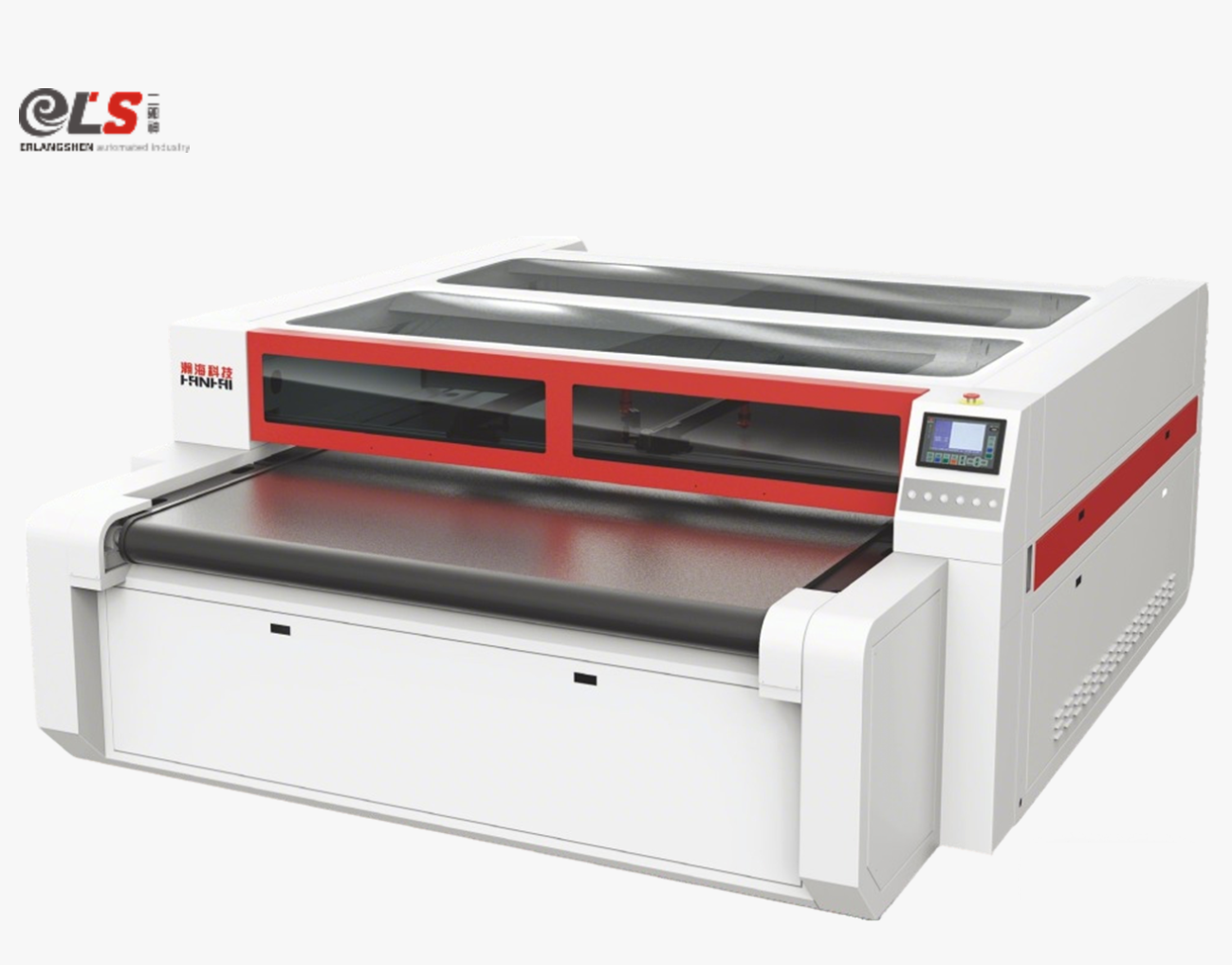
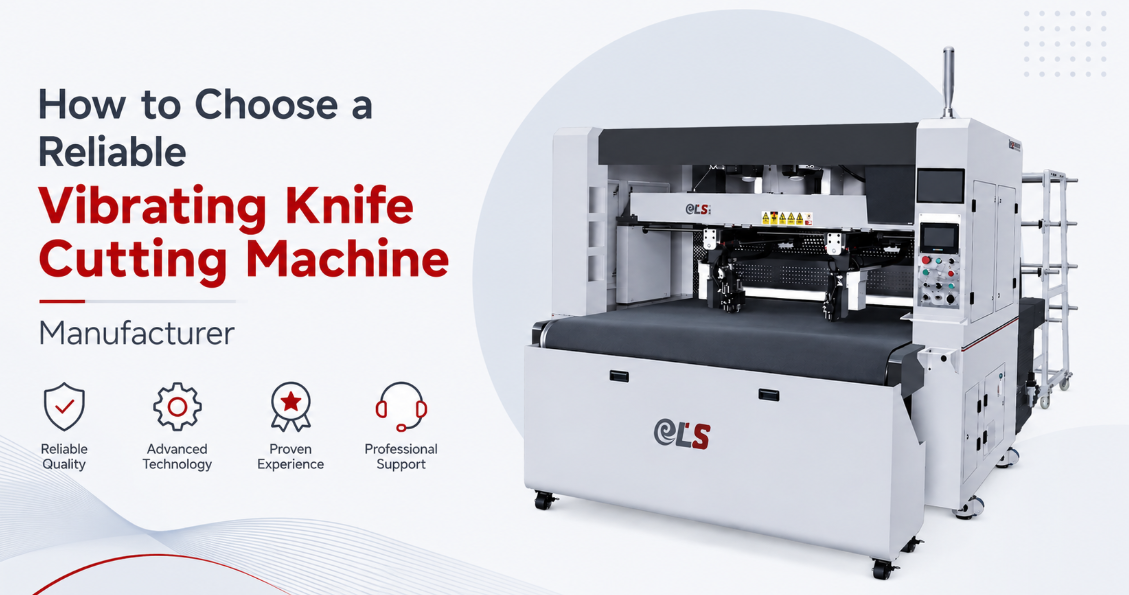
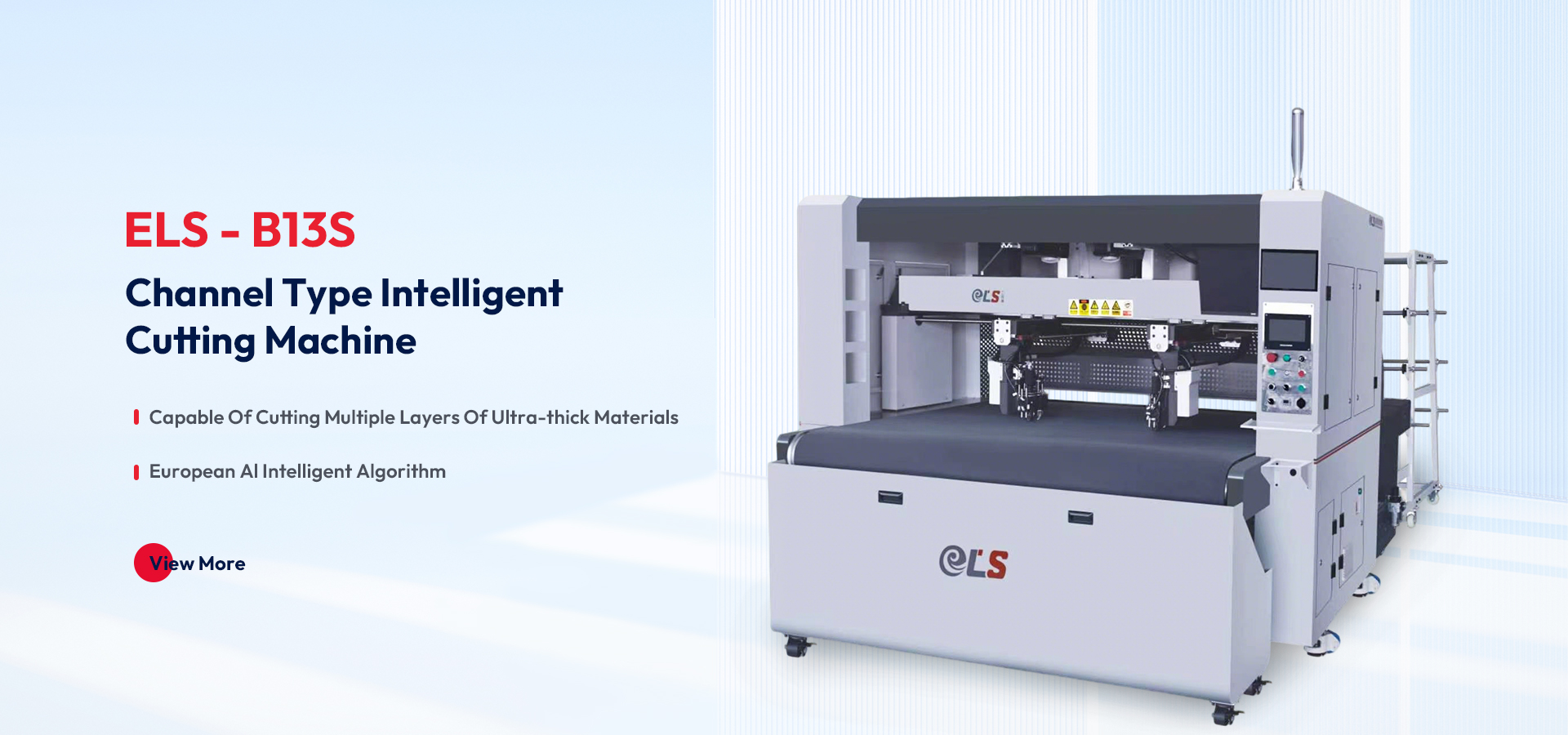
The production conditions of various manufacturing enterprises vary, and standardized equipment products are difficult to fully adapt to the various personalized processing needs of factories; The Hanhai vibration knife cutting machine is designed for flexible material processing scenarios. The hardware and supporting software of the polishing equipment are strengthened, and the equipment frame can adapt to the factory’s long-term uninterrupted operation. This device supports multiple blade extensions, including visual positioning, automatic nesting, and automatic feeding modules. Enterprises can choose and match them according to their needs, and do not need to pay additional costs for configurations they do not need; In the pre-sales stage of equipment, manufacturers can receive customer materials and carry out trial cutting work. The manufacturer uses the actual trial cutting sample effect as the evaluation benchmark, and will not simply rely on paper parameters to introduce the product. In terms of after-sales service, manufacturers will complete equipment installation and debugging, provide technical training for operators, and reduce the difficulty of using factory equipment; Manufacturers have accumulated a large number of landing project cases in multiple industries such as shoemaking, leather goods, automotive interiors, and soft furniture. Based on customer order structures, manufacturers can provide targeted equipment configuration suggestions to help factories avoid various problems caused by selection.
FAQs
Q1:Can a CNC router cut leather?
A1:From the perspective of equipment hardware principles, CNC engraving machines are not suitable for leather cutting operations. High speed rotating milling cutters come into contact with leather, making it easy to pull and stretch the leather material, resulting in deformation, fraying, and tearing of the workpiece. Only in a few special scenarios can the equipment handle hard leather sheets, and the vast majority of genuine leather and synthetic leather cutting work. It is not recommended for enterprises to choose CNC engraving machines.
Q2:Can an oscillating knife cut EVA and foam?
A2:The vibrating knife can cut EVA and all kinds of foam materials. There is an upper limit for the thickness of equipment processing. If the material thickness exceeds the travel of the knife head, it will be impossible to cut through; When some low-density soft foam is processed, the enterprise needs to control the vacuum adsorption strength. If the adsorption pressure is too large, the material will be collapsed and the shape of the workpiece will be damaged.
Q3:Which machine is better for fabric and textile cutting?
A3:The vibration knife cutting machine is preferred for fabric and textile processing. The equipment is equipped with a vacuum adsorption device to fix the fabric, which can reduce the phenomenon of fabric displacement. After processing, the incision is neat. The rotating milling cutter of the CNC engraving machine will pick up the fabric yarn, causing damage to the fabric drawing. This equipment is not suitable for textile cutting operations.
Q4:Can an oscillating knife replace a CNC router?
A4:There is no possibility of complete substitution between the two types of equipment, and they belong to complementary equipment. The vibrating knife equipment is good at cutting flexible materials, while the CNC engraving machine mainly completes tasks such as milling, engraving, and slotting rigid plates; The factory has both soft material cutting and hard board carving and milling needs, and the two types of equipment need to undertake corresponding processes separately. It cannot rely on a single equipment to handle all processing tasks.
Q5:Is an oscillating knife suitable for high-volume production?
A5:The oscillating knife equipment can undertake the production task of large quantities of flexible materials, but large-scale production requires the equipment to match the corresponding hardware configuration. A stable vacuum system, wear-resistant blade components, automatic nesting, and automatic feeding device can further release the equipment’s mass production capacity; If the hardware configuration level of the device is low, even if the device principle can meet mass production, various faults will still be exposed after high load operation.
Conclusion
There is no absolute superiority or inferiority between vibration knife cutting machines and CNC engraving machines. The technical principles of the two types of equipment are different from each other, and the processing materials and production scenarios that the equipment is adapted to are clearly distinguished. CNC engraving machines have outstanding advantages in rigid board carving and milling processing, while vibration knife cutting machines can play their unique role in cutting flexible materials such as leather, fabric, and foam. When selecting equipment in factories, it is not enough to simply compare the paper parameters of the equipment. Enterprises need to weigh their own processing material types, processing thicknesses, order sizes, and finished product process standards. When purchasing vibration knife cutting machines, the workbench size, vacuum adsorption capacity, blade configuration, nesting software, and visual system must be matched with the actual working conditions of the enterprise. Incoming material trial cutting is an important means to reduce selection risks. In the diverse market of CNC cutting equipment, HanHai vibration knife cutting machine is deeply rooted in the field of flexible material processing. Based on accumulated industry project experience, it can provide customized configuration solutions for different factories’ actual production conditions, help manufacturing enterprises choose the right cutting equipment, ensure stable production, and control various costs caused by material and equipment operation and maintenance. Contact Us For More Info Today.