Skip to content

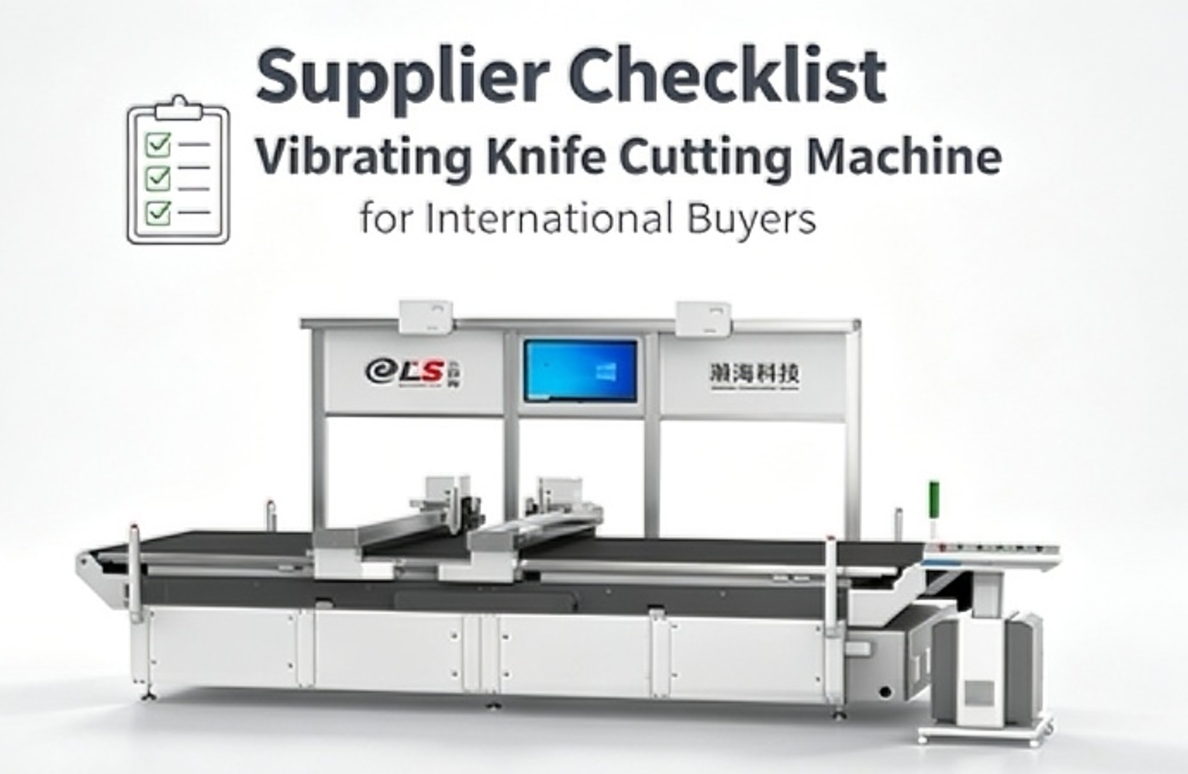
Sourcing a vibrating knife cutting machine from CNC cutting machine manufacturers overseas is a decision you live with for a decade. The machine is only half the purchase — the other half is the supplier behind it: their engineering depth, their certifications, their spare-parts logistics, and how quickly they answer when a line is down. A good machine from a weak supplier is a liability; a good machine from a strong supplier is an asset that keeps earning.
This checklist for international buyers lays out the criteria that actually predict success — manufacturing experience, certifications, core components, after-sales support, spare parts, export compliance, pricing transparency, and testing options — plus the red flags that should make you walk away. Hanhai Machinery has exported flexible-material equipment to footwear, luggage, and automotive producers worldwide since 2010, and this is the standard we hold ourselves to.
Why Choosing the Right Supplier Matters for International Buyers
When you buy across borders, you cannot drive to the supplier’s workshop on a Friday afternoon. Distance turns small problems into big ones: a missing spare part becomes a two-week shutdown, a vague spec becomes a machine that cannot cut your material, and an unresponsive salesperson becomes a stranded investment. Supplier selection is therefore a risk-management exercise as much as a purchasing one.
Key Criteria to Evaluate a Vibrating Knife Cutting Machine Supplier
1. Manufacturing Experience and Industry Certifications
Ask how long the company has built this category of machine and who its engineers are. Longevity signals stability and accumulated know-how — the same test applies whether you compare cnc cutting machine manufacturers or fabric cutting machine manufacturers: engineering depth outlasts a low quote. On certifications, look for European-standard CE marking on the machine and evidence of compliance with your destination market’s requirements. Certifications are not paperwork — they reflect design discipline, electrical safety, and quality systems. You can learn more about our own standards and history on the About Hanhai page.
2. Machine Quality, Core Components, and Customization Options
A cutting machine is only as good as its motion system, spindle or knife tool, vacuum table, and control electronics. Ask which brands supply the ball screws, linear guides, motors, and controllers — internationally certified major-brand components are a strong quality signal. Then ask how far the supplier can customize: table size, tool heads, vacuum zones, and software integration all affect whether the machine fits your factory.
3. After-Sales Service and Technical Support
After-sales support is where overseas purchases are won or lost. Ask how support is delivered — remote diagnostics, video guidance, on-site installation and training, and how quickly engineers respond in your time zone. Confirm what language support you get and whether the supplier has installed machines in your region before.
4. Spare Parts Availability and Lead Time
A machine down for want of a $50 part is the most expensive kind of stoppage. Ask which parts are consumable, which are critical spares, and how fast they ship internationally. A supplier that stocks common spares and documents them clearly protects your uptime.
5. Export Experience and Compliance Documentation
Confirm the supplier routinely exports and can provide the paperwork you need: commercial invoice, packing list, certificate of origin, CE documentation, and any market-specific certificates. Ask which countries they ship to and what shipping terms they offer.
6. Pricing Transparency and Payment Terms
A transparent quote itemizes the machine, tooling, options, packaging, and shipping — no ambiguity that becomes a surprise later. Clarify payment terms, currency, and what is included in the warranty. Be cautious of prices far below the market without a clear explanation.
7. Factory Audit and Sample Testing Options
The strongest suppliers welcome scrutiny. Ask whether you can send sample material to be cut on a real machine and receive video evidence, or arrange a factory visit or a third-party inspection. Testing your material — leather, foam, technical fabric — on the actual machine is the single most reliable way to reduce purchase risk. Proven platforms like the ELS-3016S vibrating knife genuine leather cutting machine and the ELS-B6616S flexible material cutting machine are commonly tested this way before order.
Use this checklist during your evaluation:
| Criteria | What to Confirm |
|---|---|
| Experience & certifications | Years in category, CE marking, test reports |
| Components & customization | Major-brand motion/control parts, options list |
| After-sales & support | Response time, remote/on-site, training, language |
| Spare parts | Critical spares list, shipping lead time |
| Export & compliance | Export experience, documents, incoterms |
| Pricing & payment | Itemized quote, warranty, payment terms |
| Audit & testing | Sample-cutting test, factory visit, inspection |
Test before you commit.
Send us your material sample and pattern. We will cut it on a real machine, send you the video, and quote a configuration that fits your production with full export documentation.
Red Flags to Watch Out for When Sourcing Overseas
- Vague or evasive specifications. If the supplier cannot state component brands, speeds, and tolerances clearly, the machine will surprise you later.
- No ability to test your material. A supplier unwilling to run a sample is a supplier hiding something.
- Unclear spare-parts terms. No spare-part list and no shipping commitment means unpredictable downtime.
- Pressure to pay without documentation. Legitimate suppliers issue clear invoices, contracts, and warranty terms.
- Prices far below market. Real savings come from engineering, not from cutting corners on components and safety.
- No real after-sales channel. If support collapses after the sale, the “bargain” becomes the most expensive machine you own.
Frequently Asked Questions
What certifications should a vibrating knife cutting machine supplier have?
At minimum, CE marking for European-standard compliance, plus the test documentation that supports it. Depending on your market you may also need specific electrical and safety certificates — confirm before ordering.
How can international buyers verify a supplier’s manufacturing capability remotely?
Ask for a live or recorded factory tour, a sample-cutting test on your own material, component brand details, and references from customers in your region. A third-party inspection adds further assurance.
What after-sales support should be included in the purchase agreement?
Installation and training, a defined warranty, remote technical support with a stated response time, spare-parts availability, and documentation. Put all of it in writing in the contract.
How long does shipping and installation typically take for imported cutting machines?
Ocean freight from China commonly takes a few weeks depending on destination, plus customs clearance; installation and commissioning usually take a few days on site. Ask your supplier for a realistic schedule for your port.
Conclusion
Choosing an industrial cutting machine supplier is a long-term risk decision, not a price comparison. Experience and certifications, component quality, after-sales support, spare-parts logistics, export compliance, transparent pricing, and willingness to test your material separate a safe purchase from a costly gamble. Use the checklist above, insist on testing, and read the contract closely.
For more detail, see our buyer’s guide on choosing a reliable manufacturer and the 7 criteria for choosing the right supplier, or contact Hanhai to start a cutting test.