Skip to content

Introduction
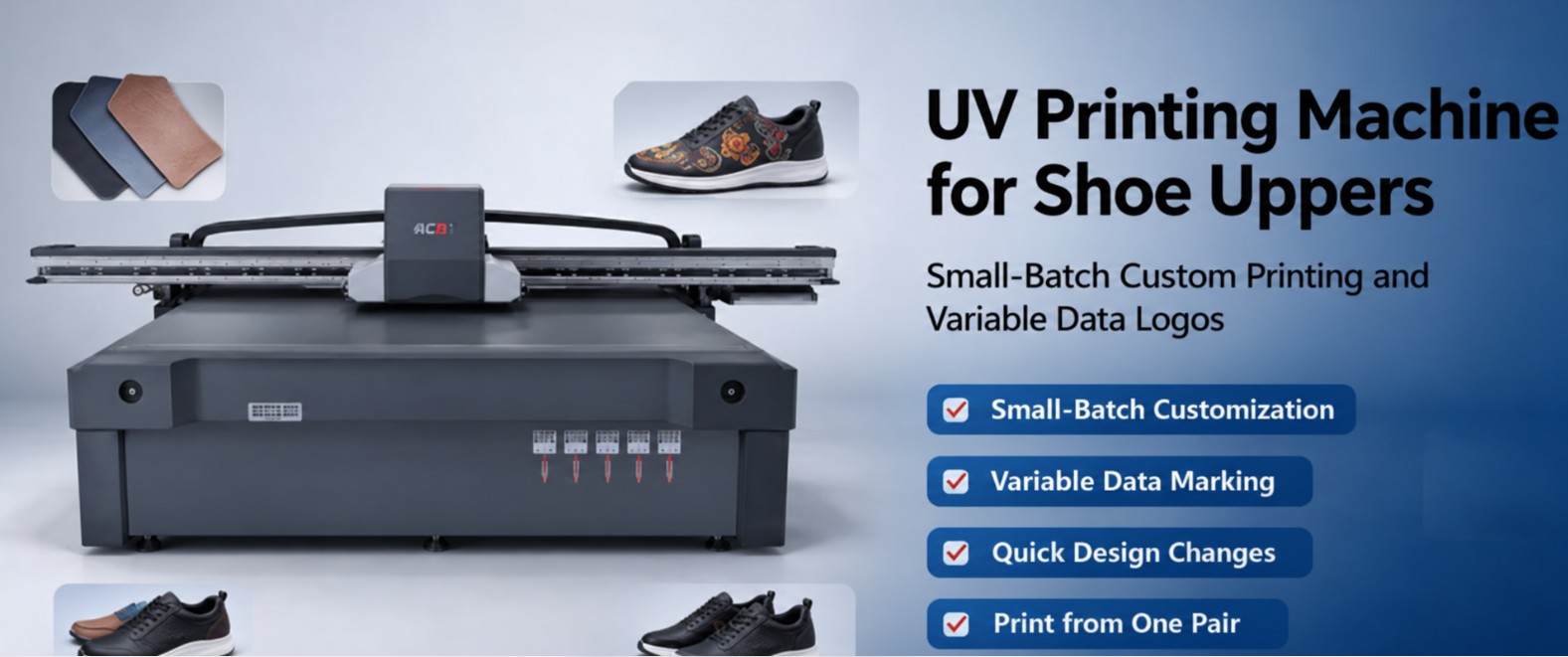
This article reviews camera-assisted line marking for shoe uppers and the checks needed before selecting a process. Compare it with the current tracing or printing operation using the same placement requirements, materials and accepted output; automation does not by itself establish a saving or a suitable finish.
The Cost of Traditional Upper Line Drawing

Compare labor time, rework and consumables for the current marking process before estimating a benefit from automation.
Establish a measured baseline for the current marking operation before comparing an automated alternative.
- Labor and workflow: record operator time, handling, setup and accepted pieces per hour under representative conditions.
- Placement and rework: define the marking tolerance and record the current rejection, rework and downstream effects.
- Consumables and process controls: compare screens, marking media, cleaning, maintenance and waste at the same accepted output. Review the actual materials’ safety data and handling requirements rather than assuming that one process is universally cleaner or safer.
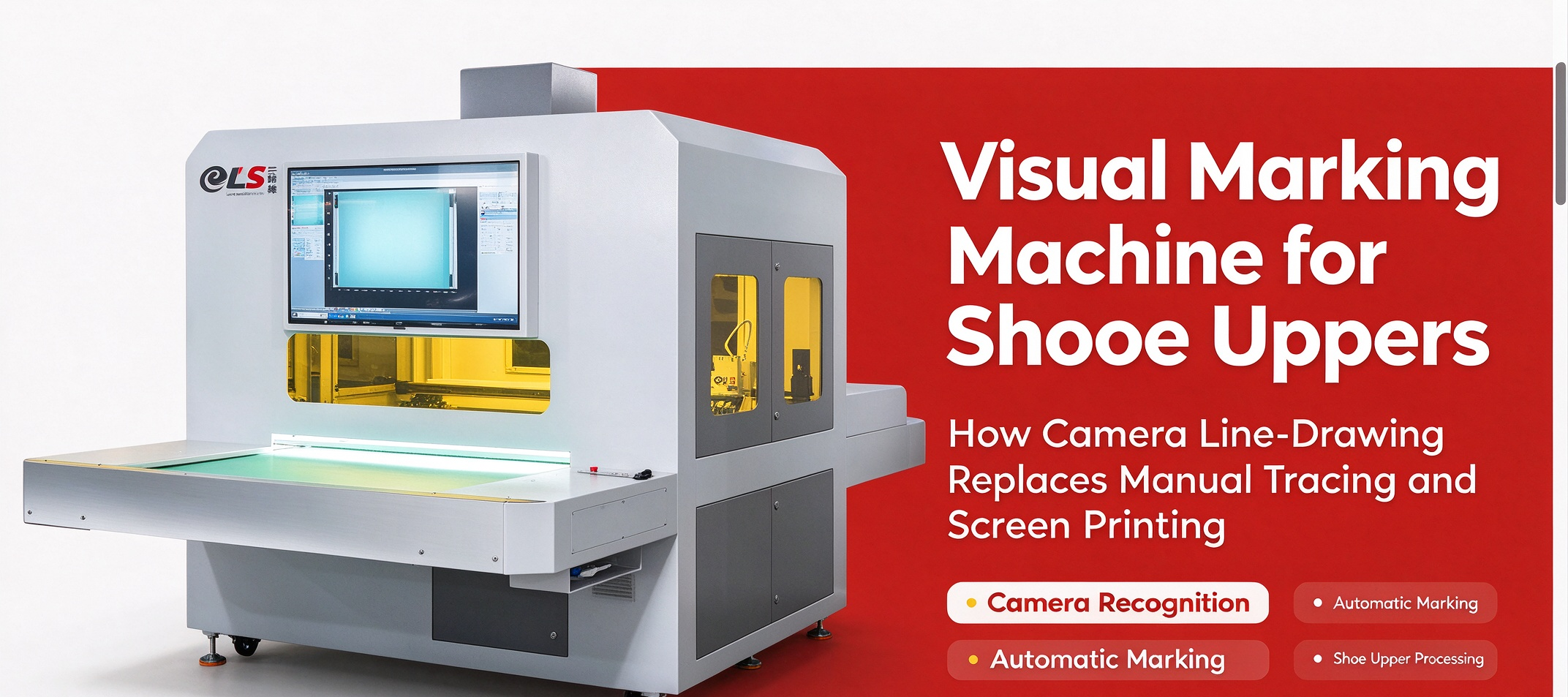
What Is the Automatic Visual Marking Machine

Use the actual machine specification to identify its camera, marking tool and material-handling arrangement. The process description below is not a WEHO machine specification.
A camera-assisted line-marking system combines image capture, position recognition and a controlled marking tool. Its ability to recognize an upper and place a mark depends on the actual camera, lighting, calibration, software, material presentation and marking method. Confirm setup, fixtures and operator alignment requirements for the selected machine; a camera does not eliminate them automatically.
How the Camera Recognition System Works

Illustrative camera-assisted marking workflow; verify the actual recognition, marking and handling sequence for the selected equipment.
Review the proposed recognition and marking sequence against the actual equipment specification:
- Image capture: confirm the field of view, lighting, calibration and material conditions needed to obtain a usable image.
- Position recognition: test the supported contours and orientations on representative uppers. Do not assume full-sheet, single-shot or 360-degree recognition from the presence of a camera.
- Mark placement: verify the required loading position, fixtures, alignment and placement tolerance. Casual placement is not a general operating instruction.
- Material handling: establish whether loading and unloading are manual or automated, then validate the permitted sequence, guarding and operator access.
Benefits to Verify in a Matched Production Trial

Measure cycle time, marking accuracy, labor, consumables and setup on the same representative upper styles before claiming a saving. Results depend on the actual machine, marking method and material; no fixed speed or cost reduction is established here.
| Review point | Evidence to retain |
|---|---|
| Line speed | Compare accepted pieces per hour and cycle time for the current and proposed processes. |
| Line accuracy | Define the required placement tolerance and measurement method, then record representative results. |
| Costs | Compare consumables, labor and maintenance at the same accepted output. |
| Setup | Record changeover, alignment and any warm-up requirements for the actual configuration. |
| Material compatibility | Check contour recognition, mark visibility and downstream suitability on the intended materials. |
FAQs
Q: Can it completely replace screen printing?
A: Assess the required marking function and finish on representative uppers. A line-marking process is not automatically a substitute for decorative printing or every material and design.
Q: Is camera positioning accurate enough on irregular shoe uppers?
A: Confirm the required placement tolerance and test contour recognition on representative shapes, colors, textures and positions. The presence of a camera alone does not establish the result.
Q: Can it work with CNC cutting lines?
A: Verify the actual machine interfaces, material transfer and marking requirements with the line integrator. Do not assume compatibility or seamless integration from a general process description.
Conclusion
Select a visual marking process only after a representative trial demonstrates the required line placement, accepted output and total cost. Confirm interfaces and integration responsibilities with the actual equipment supplier. This process overview does not identify a Hanhai marking machine or establish a Hanhai power-supply match.