Skip to content
Introduction
Leather and footwear manufacturing industries will use a variety of materials, and leather, artificial leather, textile fabrics, EVA foam will all appear in the same production process; The cutting process is in the early stage of production, and the equipment used in this process will directly affect the quality of the finished product cut, the level of material loss, and the overall production efficiency. When many factories update their equipment, they will make a choice between reciprocating arm knife cutting machines and laser cutting machines; The promotional materials for the two types of equipment each have their own focus, and a simple data comparison table is difficult to reflect the real production situation in the workshop. After using different cutting equipment to process the same leather material in the factory, various practical problems such as burnt cuts, material deformation, and inconsistent utilization of raw material layout may occur in the finished product; Shoe production also needs to deal with both small-scale trial production of samples and large-scale order production. The fast updating speed of product styles and the adaptability of cutting equipment will further affect the factory’s production costs and the proportion of qualified finished products. This article will analyze the working principles of two types of cutting equipment, sort out the main differences between them, and compare them with the actual production conditions of leather processing and shoe production, to help factories select equipment according to their own business situation.

Oscillating Knife vs. Laser Cutting
How Does an Oscillating Knife Cutting Machine Work?
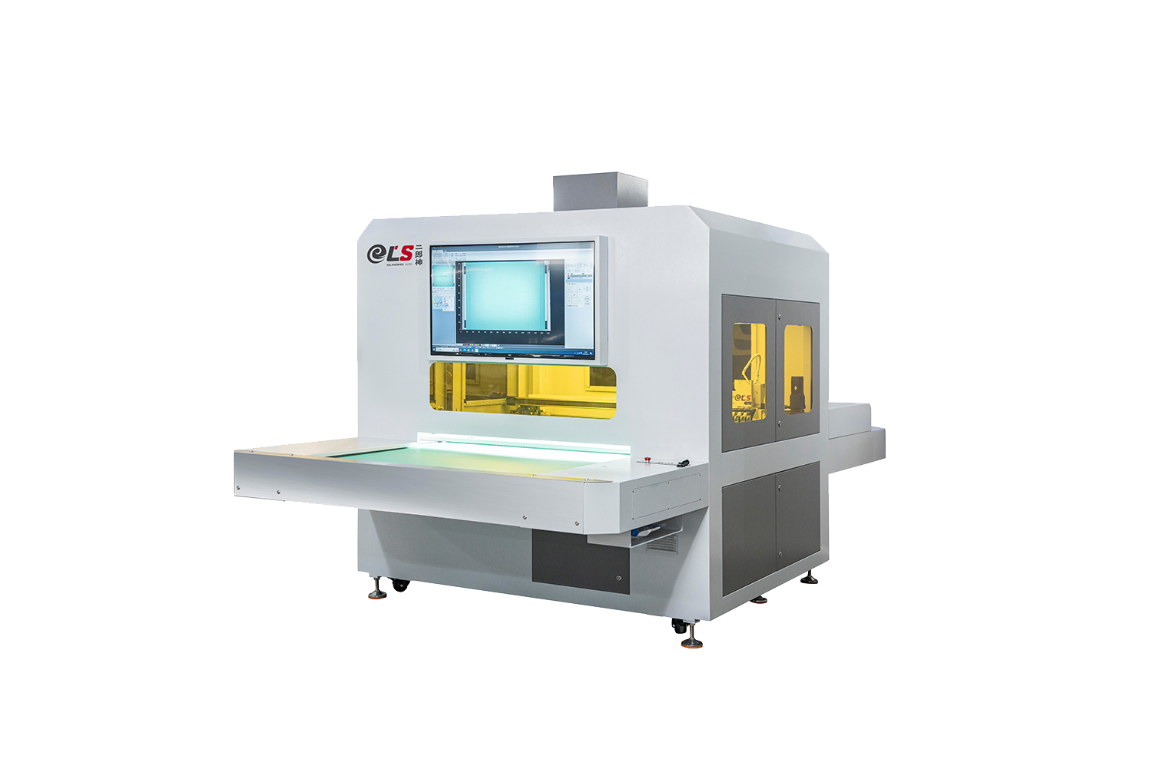
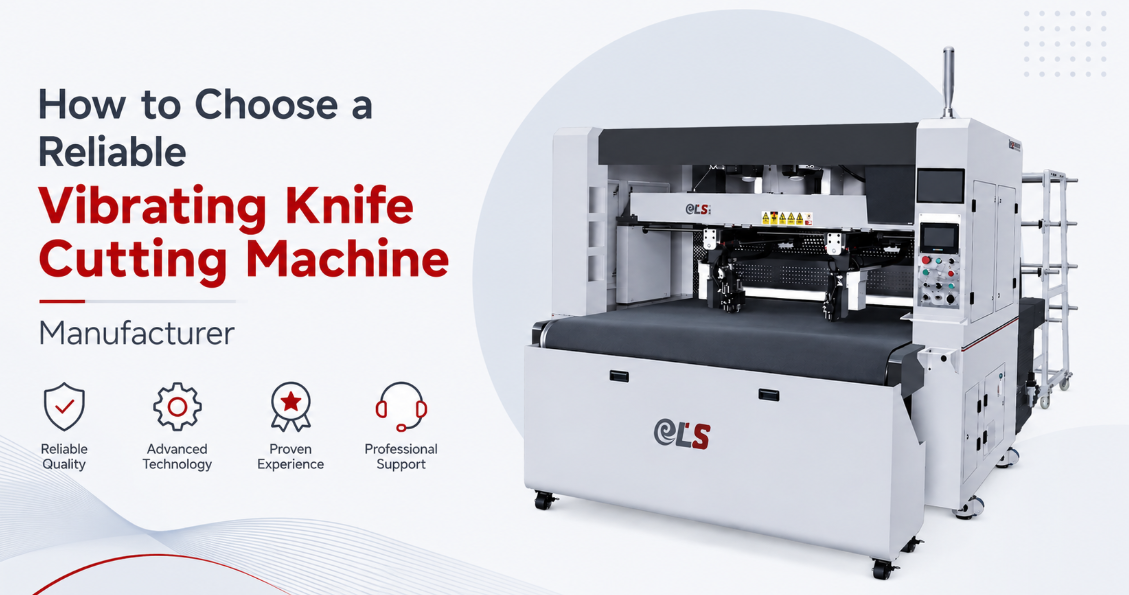
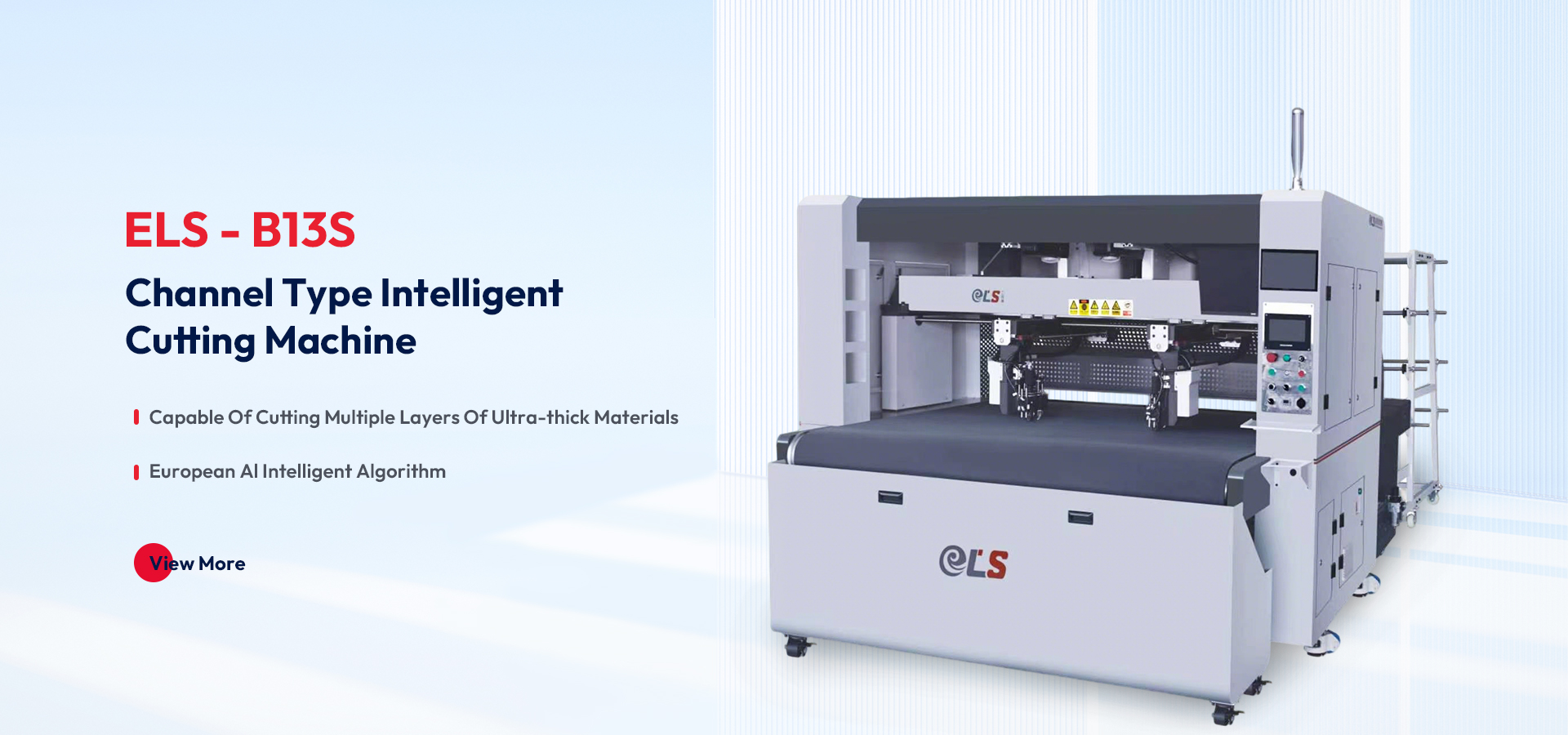
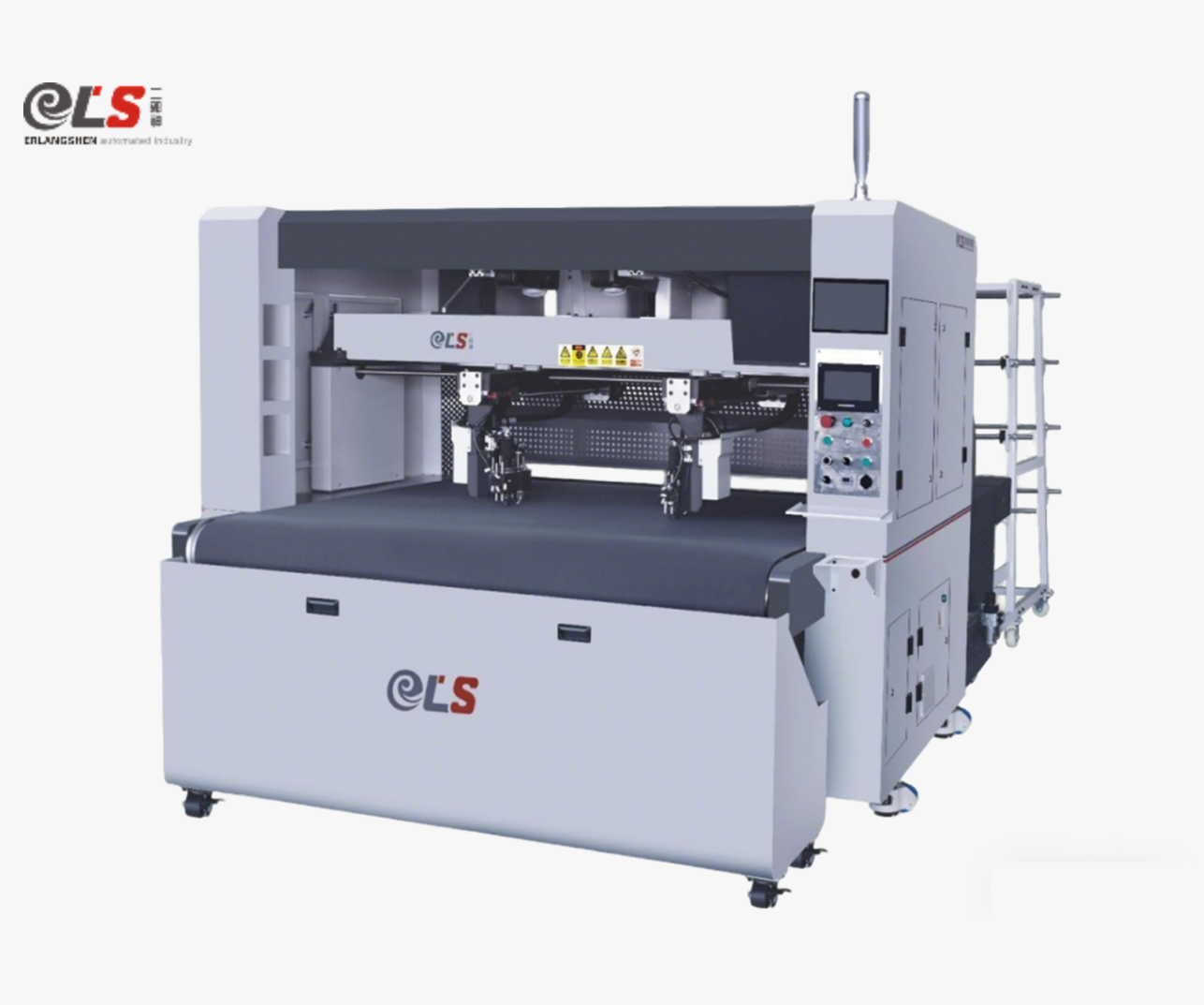
The Oscillating Knife relies on the high-speed reciprocating motion of the hard blade to complete the material cutting work; The blade head is installed on a rocker arm structure that can move in multiple directions. The machine’s power will drive the blade to perform high-frequency up and down reciprocating striking actions. The blade cuts down and lays flat soft raw materials. The machine moves along the pre-set contour trajectory, and the equipment can complete the cutting operation; The entire cutting process belongs to pure physical and mechanical separation, and the equipment will not bring high temperatures to the material contact position. When the equipment carries out processing work, the workbench will carry the sheet metal to be processed. The blade arm can move in both X and Y directions on the plane, and the blade body can also rotate to adjust the cutting angle. The machine can process arcs and various irregular contours; The equipment relies on a sharp blade to cut the material fibers of leather, cloth and foam. The materials in the processing process will only bear the mechanical shear force, and will not produce high-temperature burning.
How Does a Laser Cutting Machine Work?
Laser cutting machines use high-energy laser beams as cutting tools; The laser generator can output a high-density beam that has been focused. After the beam is irradiated onto the surface of the material, a large amount of heat will quickly accumulate at the irradiation point. The material irradiated by the beam will melt or vaporize, and the material can be separated; The supporting auxiliary airflow will synchronously blow away the residue generated by melting, forming cutting gaps in the machine. Laser cutting belongs to the processing method of thermal processing; The placement of the beam focus will affect the quality of the finished product cut, and the staff need to continuously adjust the energy parameters of the equipment based on the material thickness and type; Laser cutting machines do not have physical cutting tools in contact with the workpiece. The equipment relies on thermal energy to erode the machining contour, and the heat will also spread to the periphery of the cutting gap, forming a heated area around the material.
Oscillating Knife vs. Laser Cutting Machine: 4 Key Differences
| Comparison Dimension | Oscillating Knife | Laser Cutting Machine |
| Cutting Principle | Mechanical physical cutting. Blade reciprocates and strikes to cut material fibers; cutting force acts directly on machining contour | Hot etching processing. Uses thermal energy to melt and vaporize materials; no solid tool contact with workpiece |
| Heataffected Zone | No high temperature generated in processing. No heated zone; material physical chemical properties remain unchanged | Heat builds around focal point, creating heat affected zones. Molecular structure changes, causing yellowing and hardening; thin materials suffer worse thermal side effects |
| Leather Edge Quality | Physical fracture surface. Edge neatness depends on blade sharpness; no burn marks with proper blade maintenance. Minor fiber fuzz on long fiber fabrics, fixable by trimming | Thermal melting & solidification occurs. Artificial leather forms hardened shells; genuine leather tends to have burnt black marks and hard edges. Extra polishing may be required to fix thermal defects |
| Performance on Flexible Materials | Stably cuts leather, elastic cloth, foam and other soft substrates; no thermal deformation caused by material tension | Heat induced local shrinkage makes thin materials warp and shift. Thin synthetic leather deforms locally and impairs contour machining accuracy |
Which Is Better for Leather?
Leather Edge Quality
Leather products have high requirements for appearance quality, and the quality of the cut will directly affect the subsequent sewing, edging and other processing procedures of the factory; The rocker knife cutting machine produces a physical cross-section, and the cutting position can maintain the original soft feel of the leather. This equipment is suitable for leather workpieces that require exposed cutting surfaces and need to be bent and sewn; After the blade wears out, the cut surface will produce fluff. The factory can improve this type of processing problem by regularly polishing or replacing the blade. The cut surface produced by the laser cutting machine has a melted and hardened layer, and the cut seam is visually neat, but the texture of the cut is hard; This device can process concealed workpieces such as leather interiors that do not require bending; If the workpiece is an exposed leather cutting piece, the hardened cut will increase the discomfort of wearing friction, and the factory needs to invest more effort in controlling the yield rate of finished products.
Heat and Discoloration
Thermodiscoloration is a common production issue encountered during the leather processing; The composition of genuine leather materials is relatively complex, and the protein fibers inside the material are prone to yellowing and blackening when exposed to high temperatures; The Oscillating Knife does not have heat input, and the equipment can avoid the risk of material discoloration caused by heat from the source; Even if the power of the laser cutting machine is reduced, there will still be heat diffusion phenomenon; Light colored genuine leather materials are highly sensitive to heat, and if there are slight yellowing defects in the cut pieces, they will be directly judged as scrap parts; Synthetic leather is also affected by heat, causing color changes, and the surface of some coated fabrics may also experience coating peeling under high temperature.
Leather Thickness and Deformation
The thickness range of leather materials is very wide, and the market has both thin leather with a thickness of 0.5 millimeters and top layer leather materials with a thickness of several millimeters; The Oscillating Knife relies on mechanical cutting to complete processing. As long as the staff matches the blade stroke parameters, the equipment can stably cut leather of various thickness specifications, and the material will not undergo thermal deformation due to thickness differences. When processing thick leather with a laser cutting machine, the staff need to increase the laser power, which will expand the coverage of thermal effects and increase the risk of material deformation; Thin leather is also easily burned through by heat and undergoes shrinkage; The debugging of equipment parameters is quite difficult. When there are thickness fluctuations in leather processing batches, the factory needs to invest more time to complete the parameter debugging work.
Material Utilization and Nesting
Both types of devices are capable of using computer-aided typesetting and nesting; The cutting width of the laser cutting machine is determined by the beam focus, and the cutting size is relatively small; The cutting width of the Oscillating Knife will be affected by the thickness of the blade; In actual production work, the material thermal shrinkage phenomenon caused by laser processing will disrupt the pre-set layout dimensions, and some of the actual formed dimensions of the cut pieces will deviate from the design drawings; The Oscillating Knife is not affected by thermal shrinkage, and the matching degree between the layout output size and the processed cut pieces is higher; Factories cannot solely rely on the width of the cut to determine material utilization, and the hidden loss of raw materials caused by material deformation needs to be taken seriously by the factory.
Genuine Leather vs. Synthetic Leather
The leather processing work needs to prioritize avoiding thermal damage issues; Genuine leather has a protein fiber structure, but its ability to withstand high temperatures is poor. The mechanical cutting mode of the rocker knife cutting machine is more suitable for this type of material; The variety of synthetic leather products is very rich, and some PVC synthetic leather will release harmful smoke when exposed to laser high temperature, and the cut position will also become hard; A few high-temperature resistant synthetic fabrics can be processed using laser equipment; When processing large quantities of synthetic leather orders, factories also need to evaluate the additional production costs caused by smoke treatment and post cutting treatment, and cannot only refer to the cutting speed of the equipment itself.
Which Is Better for Footwear Production?
Shoe Uppers
The upper of the shoe belongs to the core processing cutting pieces of the shoe factory, and the processing materials are mostly genuine leather, microfiber, and textile fabrics; The cutting of shoe uppers has high requirements for the flexibility and dimensional accuracy of the incision, and the workpiece also needs to undergo sewing and hot pressing processing in the future; The cutting edges produced by the Oscillating Knife are soft and will not harden. Sewing and threading work can be carried out smoothly without the occurrence of hard edges grinding the feet; Laser cutting machine processing of shoe uppers can cause the cutting edge to become hard, and the sewing thread is prone to slipping during sewing operations. Light colored shoe uppers may also experience yellowing of the cutting edge, increasing the probability of defective products in the later stage.
Leather and Synthetic Leather Components
Shoe factories use genuine leather and microfiber synthetic leather to produce a large number of shoe material accessories, including shoe lining, tongue, and pads; There are differences in the processing requirements for different accessories; The softness and hardness of the incision are crucial for accessories that come into direct contact with human skin; The accessories produced by the rocker knife cutting machine can maintain the original softness of the material; The accessories processed by laser cutting machine may cause discomfort when worn due to hardened incisions if they come into contact with human skin. This device is only suitable for processing internal lining parts that do not come into contact with the skin.
Fabric and Textile Components
Textile shoe materials such as mesh and knitted fabrics have a relatively loose fiber structure; After laser cutting machine processing, the cut fibers will melt and adhere, and the appearance of the cut seam will be relatively neat, but the fabric will lose its original softness properties; The rocker knife cutting machine relies on mechanical means to cut fibers, and the original flexibility of the fabric can be preserved; After processing high twist fabrics, a small amount of loose threads will be produced, which can be treated by the factory with a simple sweeping process.
EVA and Foam Components
EVA and various foam materials are widely used in shoe midsoles and cushioning products; When the laser cutting machine processes foam materials, the high temperature will cause the incision to melt and agglomerate, and some low-density foam will collapse when heated; The rocker knife cutter relies on the reciprocating blade to complete the physical cutting, so that the cellular structure inside the foam will not be damaged by high temperature, and the section can retain the original resilience of the foam material.
Prototypes and Small-Batch Production
The sample making and prototype trial production work in the new product development stage requires frequent replacement of processing files, and the equipment needs to quickly output sample workpieces; Both types of devices can complete small-scale prototype production; The operation of replacing drawings for laser equipment is relatively simple, but the staff need to spend a lot of time repeatedly debugging the power parameters; The Oscillating Knife only needs to adjust the relevant parameters of the blade, and the debugging steps for switching equipment to process samples are relatively simple. The equipment performs better in processing stability in scenarios where multiple materials are mixed for sampling.
High-SKU / Frequent Design Changes
The product styles in the footwear industry are updated quickly, with a large number of SKUs and frequent modifications to design drawings; In actual production scenarios, the total time required for equipment to switch raw materials and drawings is more important than the cutting speed of a single step; Every time the laser equipment changes the processing material, the staff need to readjust the power, focal length, and wind speed; The Oscillating Knife only needs to change the type of blade and adjust the cutting pressure value. When facing the situation of mixed production of multiple SKUs, the overall operation process is simpler.
Oscillating Knife vs. Laser Cutting Machine:Which one fits your Business?
There is no cutting equipment in the market that can adapt to all scenarios, and the factory’s own business conditions are the criteria for equipment selection. If the factory mainly processes leather, microfiber and textile shoe materials, and the products value the cut feel, light color materials account for a high proportion, and also processes a large number of EVA foam, the factory needs to carry out multi SKU mixed production, and the rocker knife cutting machine can match the production needs of the factory. If the factory’s processing materials are mainly dark colored high-temperature resistant synthetic materials, and there is no requirement for the softness of the cut in the finished product, and the cut pieces are mostly used as internal non-contact components, the factory can evaluate the laser cutting machine. The factory also needs to comprehensively consider the costs brought by subsequent processing procedures; Laser equipment can reduce some of the cutting process time, but the equipment will incur additional process costs such as cutting edge polishing and exhaust gas treatment; The Oscillating Knife requires regular maintenance and blade replacement by the factory, which is a routine consumable expense for mechanical equipment; The factory carries out equipment evaluation work, and cannot only compare equipment procurement prices. The entire process of raw material loss, consumables expenses, and labor costs need to be included in the accounting scope.
How to Choose an Oscillating Knife Cutting Machine for Leather and Footwear Suppliers
The selection of equipment in the factory cannot only refer to the paper parameters in the equipment manual. The selection work needs to be combined with the factory’s own processing material list; The factory first needs to confirm the size of the equipment workbench, which can be adapted to the largest size of raw materials in the factory; The stability performance of the rocker arm drive structure is crucial. When the equipment performs high-speed reciprocating cutting, if the rigidity of the frame is insufficient, the contour machining accuracy of the workpiece will deviate. The cutter head system is the core part of the equipment. The factory needs to confirm the adjustable range of the blade pressure. The equipment parameters can cover leather, fabric, EVA foam and other materials; The software layout and nesting function should be compatible with the commonly used design file formats in shoe factories. Whether the file import is smooth will directly affect the efficiency of sample making. The vacuum adsorption fixing system that comes with the equipment cannot be ignored. Soft leather materials are prone to displacement and insufficient adsorption capacity after being laid, which can cause deviations in the size of the cut pieces; On the after-sales level, the supply channels and on-site debugging services of blade accessories are crucial for the long-term production of shoe material factories; The factory prioritizes selecting equipment manufacturers familiar with the production situation of the leather and shoe materials industry to avoid the inability of general industrial equipment to adapt to workshop conditions.
FAQs
Q1:Can an oscillating knife cut EVA and foam?
A1:The rocker knife cutter has a good matching effect on EVA and various foam materials; The equipment relies on mechanical reciprocating shearing for processing, and there will be no melting, agglomeration, or collapse of bubbles caused by laser equipment; By adjusting the blade pressure and down cutting stroke, the equipment can process the thin liner to the thick midsole foam material. The processing section can completely retain the rebound characteristics of foam material. This equipment is also a common choice for processing foam parts in shoe factories.
Q2:Is an oscillating knife suitable for high-volume footwear production?
A2:The Oscillating Knife can undertake large-scale shoe material production tasks; The limitations of mass production do not solely come from the cutting speed of a single step, and the time consumed for material laying, typesetting, and post-processing processes also determine the factory’s production capacity; A stable Oscillating Knife can perform stably in the production of large quantities of genuine leather and microfiber shoe upper cutting pieces; Blades are consumable parts, and factories carry out large-scale production. It is necessary to establish a regular replacement and maintenance system for blades to ensure the machining quality of the cutting surface.
Q3:Can an oscillating knife replace die cutting in shoe factories?
A3:The rocker knife cutting machine cannot unconditionally replace traditional die-cutting processes completely; The die-cutting process is suitable for fixed styles with a large production scale, and the cutting die can achieve high repeat production efficiency; The Oscillating Knife does not require the production of knife molds, and its advantage lies in flexible style switching; Old products with huge production scale and long-term unchanged styles; In the face of factories with a wide variety of styles and frequent product iterations, the Oscillating Knife can significantly reduce the cost of knife mold production. The equipment can be used as a supplementary solution to the die-cutting process, and in some scenarios, it can also be replaced.
Conclusion
The actual value of cutting equipment in the leather and footwear manufacturing industry cannot be judged solely based on the cutting speed indicated on the equipment label; The mechanical cutting method of the rocker knife cutter can avoid the problem of thermal damage, and the original physical properties of leather, fabric and foam materials can be retained. The equipment has obvious advantages in high demand processing scenarios such as uppers, leather pieces, EVA parts, etc; Laser cutting machines belong to thermal processing equipment, and the impact of heat can limit the range of equipment usage scenarios; The factory’s equipment selection work needs to be based on its own raw material composition, finished product quality standards, and order structure. The factory should include post-processing, consumables, and hidden losses in the weighing range. In the field of flexible cutting of shoe materials, Hanhai Enterprise has conducted extensive research on the real production conditions of the industry. In response to the diverse processing needs of leather shoe material factories, the enterprise can provide rocker arm knife cutting solutions that are suitable for the actual conditions of the workshop. Request Quote Today.